


Do you have ideas or suggestions for changes? Then we look forward to your feedback! We make every effort to keep all metrics and information as up-to-date as possible. However, if you discover an error or outdated information, we would be delighted to hear from you.
Feel free to write to us:

Transferable to your own wallet
Self-custody of cryptocurrencies plays an important role for many users who want to manage their cryptocurrencies and thus their "private keys" themselves and not leave them in the hands of the exchange. Most exchanges offer the option of sending the purchased cryptocurrencies to their own wallet.
Deposit protection is a safeguard for the assets of users of a stock exchange or broker, which is intended to protect investors in the event of insolvency or a high loss due to a hacker attack. Service providers based in Germany are legally obliged to provide deposit protection of €100,000. In some cases, international exchanges have a special insurance policy that covers a certain portion of the assets instead of a deposit guarantee.
The overall rating is the average of our individual ratings. Our ratings do not constitute investment advice, but merely our personal opinion. You are welcome to use them as rough indicators and additional perspective. In the dynamic and fast-growing crypto sector, parameters can often change from one day to the next, so we cannot guarantee that the rating data is up to date. Therefore, please never use our ratings as an isolated basis for decision-making and not as a substitute for your own research.
This rating describes our personal assessment of the user-friendliness of the product. How easy is the onboarding process? How modern is the user interface and is it easy to use? Are all the important functions quick and easy to find? We ask ourselves all these questions in order to give a personal rating from 1 to 10 points.
This rating describes our assessment of the fee structure of a stock exchange or broker. It is not only the amount of fees that can differ, but also the type of fees. The most common type of fees for crypto exchanges are the "maker/taker" fees or spreads. In some cases, there are also hidden fees that are not recognizable to users at first glance.
For products or services in the crypto space, trust and security should be the biggest factors in the selection process. Since we could not seriously evaluate the technical security of a platform or product, we analyze publicly available factors such as security features, location, regulation, certifications, audits, team/company, general reputation and, of course, track record.
Crypto doesn't have to be cryptic. Especially for beginners, the first contact with the crypto world can be overwhelming. With this rating, we give our assessment of how easy it is for beginners to find their way around: from the onboarding process to using the most important functions.
Customer support is an important factor for many users. A long wait or no response at all in the event of problems can be frustrating, especially when it comes to sensitive topics such as finances. With this rating, we give our assessment of the quality of customer support. In order to provide as balanced an assessment as possible, we also include user opinions from other platforms in our evaluation.
Some exchanges and brokers are regulated by financial supervisory authorities in certain countries/states. This often entails strict financial regulatory requirements and compliance requirements to which the company must adhere. Regulatory clarity can contribute to greater transparency and thus also greater trustworthiness.









Binance vs eToro in comparison
Overview

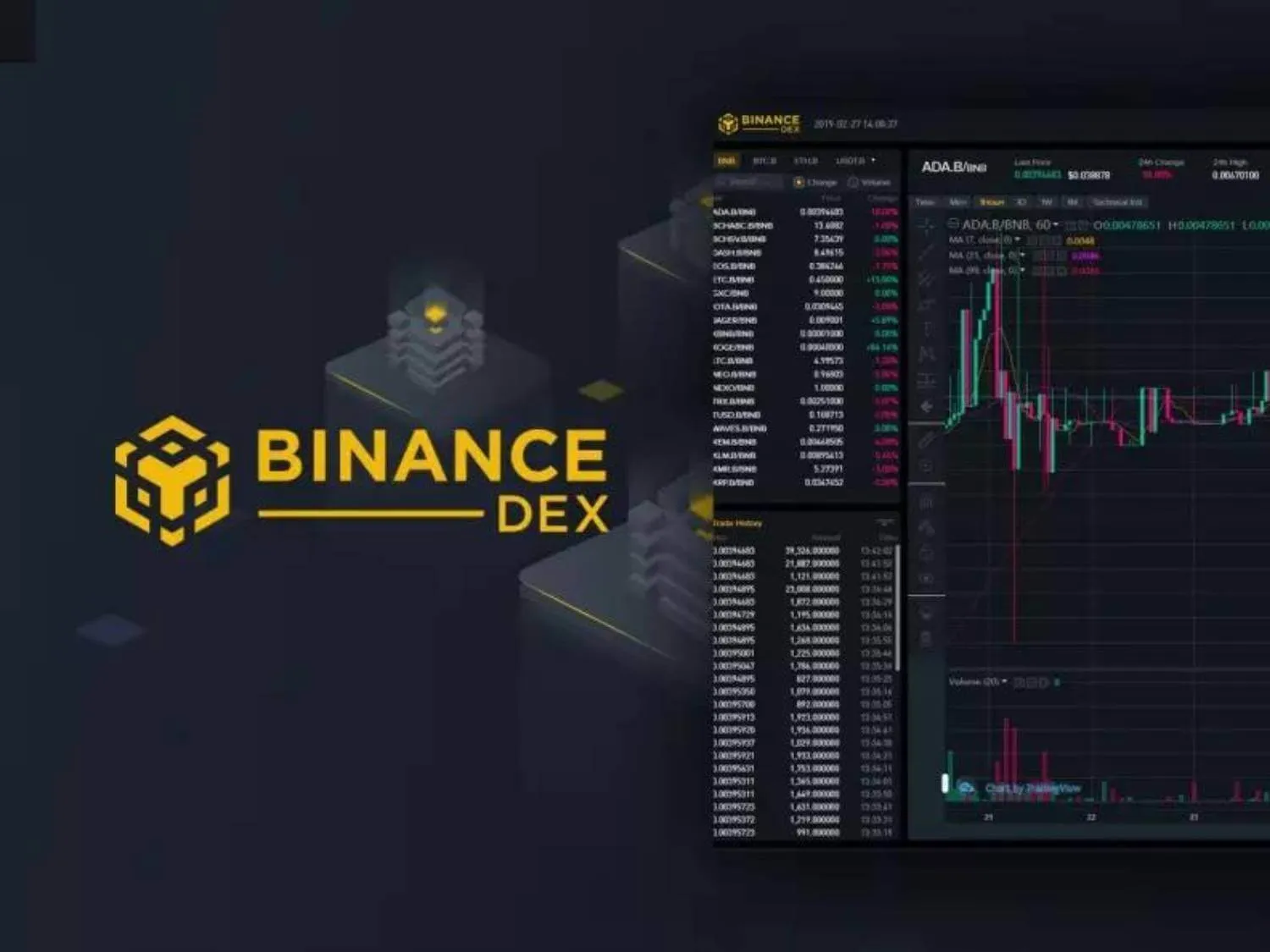
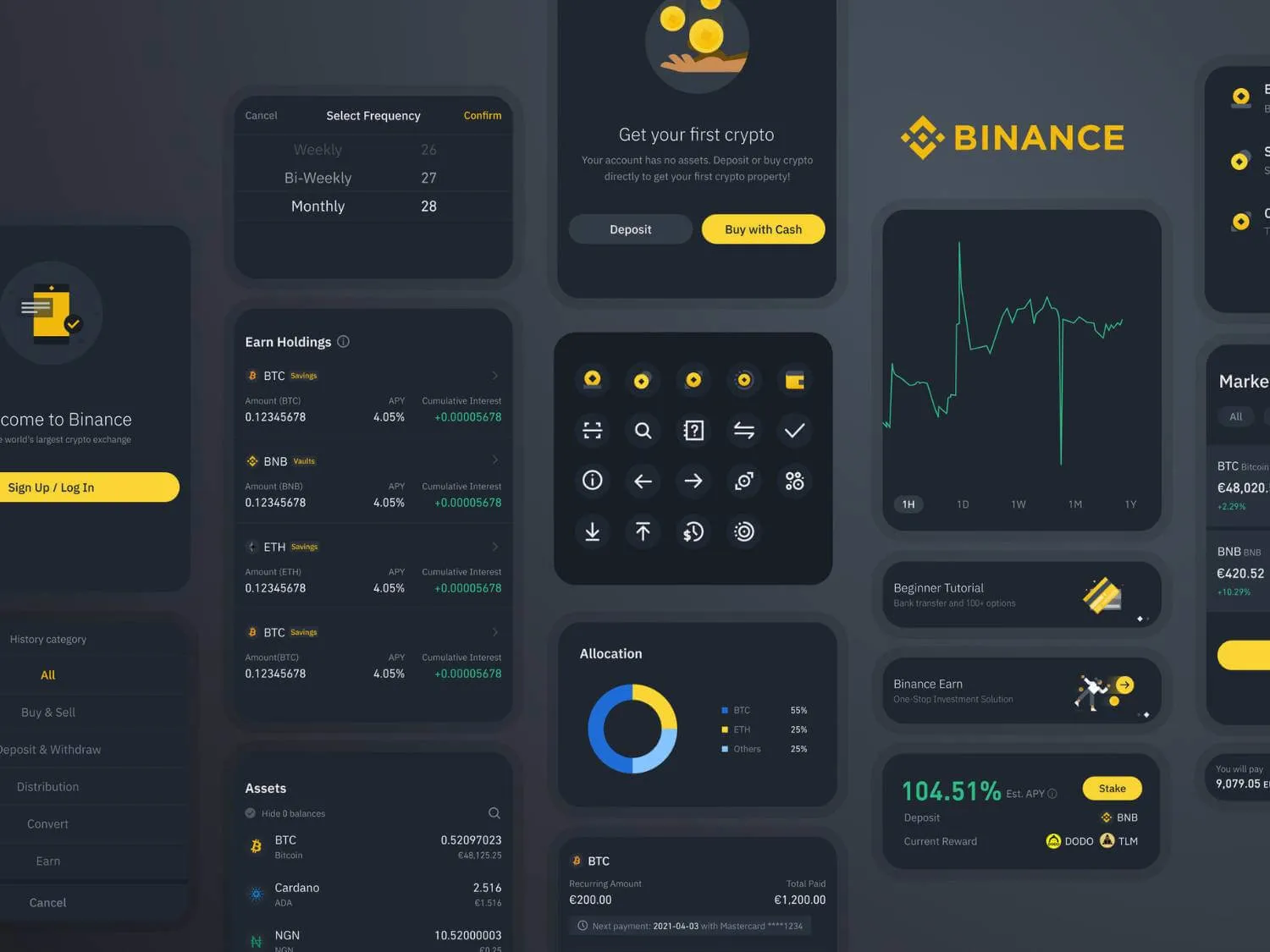
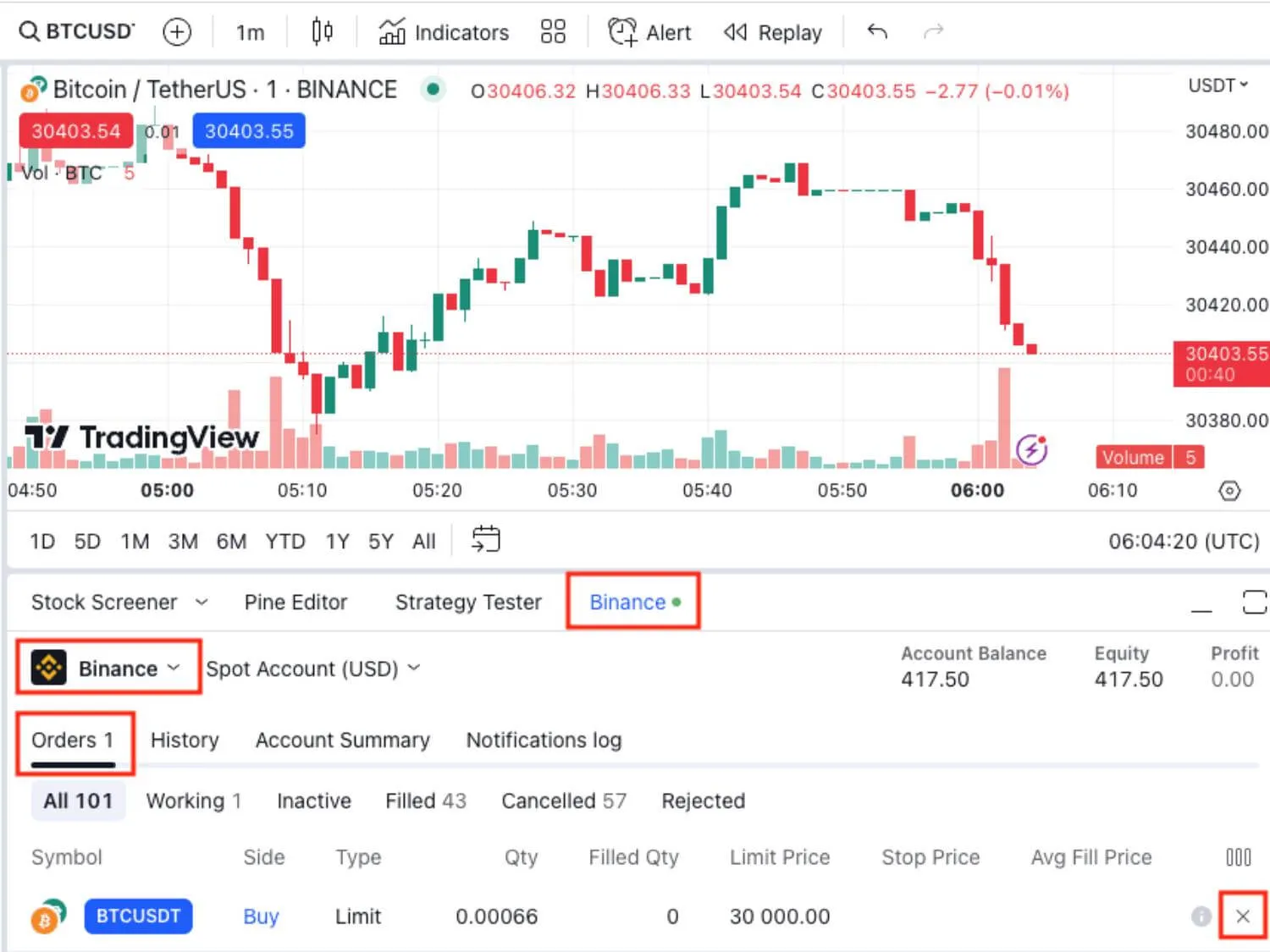
Binance stands as the preeminent global cryptocurrency exchange, boasting the largest trading volume. Known for its extensive cryptocurrency offerings, competitive fees, and robust features for seasoned users and traders, it also provides a proprietary software wallet, Trust Wallet, for cryptocurrency self-custody.
- Huge selection of coins
- Low fees
- Range of functions
- Might be complex for beginners

- Real crypto in most US states through eToro USA LLC, and in New York through eToro NY LLC with a BitLicense
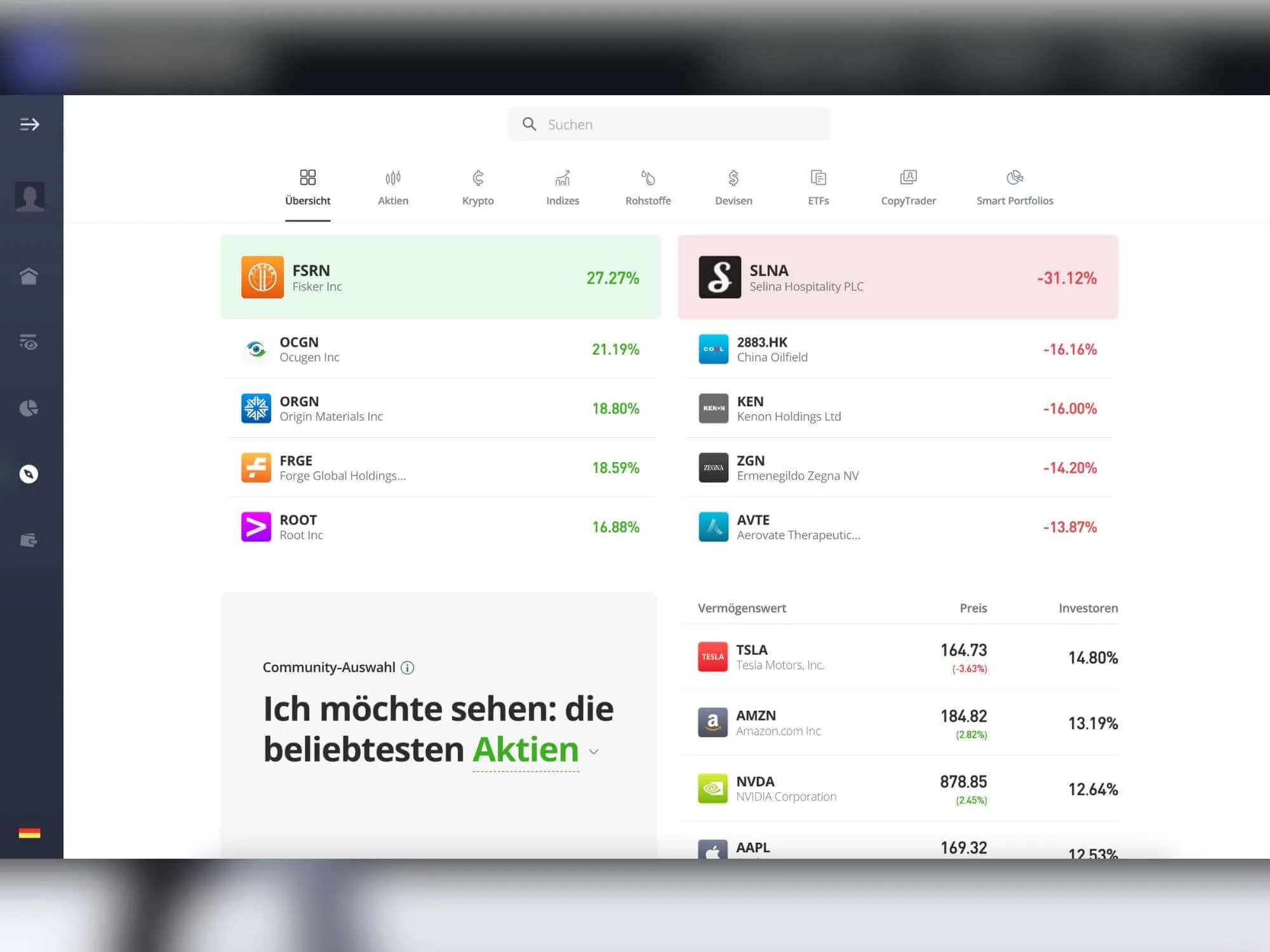
- One app for crypto, commission-free US stocks and ETFs, options and CopyTrader
- $100,000 demo portfolio with live market data
- No custody fee and no cash withdrawal fee for eToro USA customers; eToro says it no longer charges an inactivity fee
- Parent listed on Nasdaq; licenses from CySEC, the FCA and ASIC; US registrations with FinCEN and the SEC
- 1% per crypto buy and sell, against 0.80% taker at the entry tier of Kraken Pro
- Only 114 crypto assets for US clients, 39 in New York
- Moving crypto out costs 2% into the eToro crypto wallet (up to $100), and only 30 assets on the US list can be moved
- No leverage or short selling on crypto in the US; elsewhere both are CFDs, where 51% of retail investor accounts lose money
- No proof-of-reserves report that we could find
Features Comparison
- Cryptocurrencies
- Derivatives
- Cryptocurrencies
- Stocks
- ETFs
- Commodities
- Foreign exchange
- Indices
- CFD trading
0.1
%
0.10%
0.10%
Varies
1
%
1.00%
1.00%
Varies
416
+


$
0
150
+


$
50


- 25 % discount on fees
- Earn interest through staking
- Access token sales on Binance Launchpad
Exchange Rating

Functions


- Spot trading, futures trading, margin trading, P2P trading, staking
- Crypto interest through staking & lending
- Functions for professional traders
- Social Feed
- Copy-Trading
- Deposit with Paypal
Company Details

Our Review
Binance is a leading global crypto exchange offering a vast range of cryptocurrencies and low fees, making it ideal for advanced users. Its extensive features include spot, margin, and derivatives trading, as well as staking. However, the platform's complexity can be challenging for beginners, and ongoing regulatory issues may concern some users. Overall, Binance is a powerful tool for experienced traders who prioritize a comprehensive and cost-effective platform.
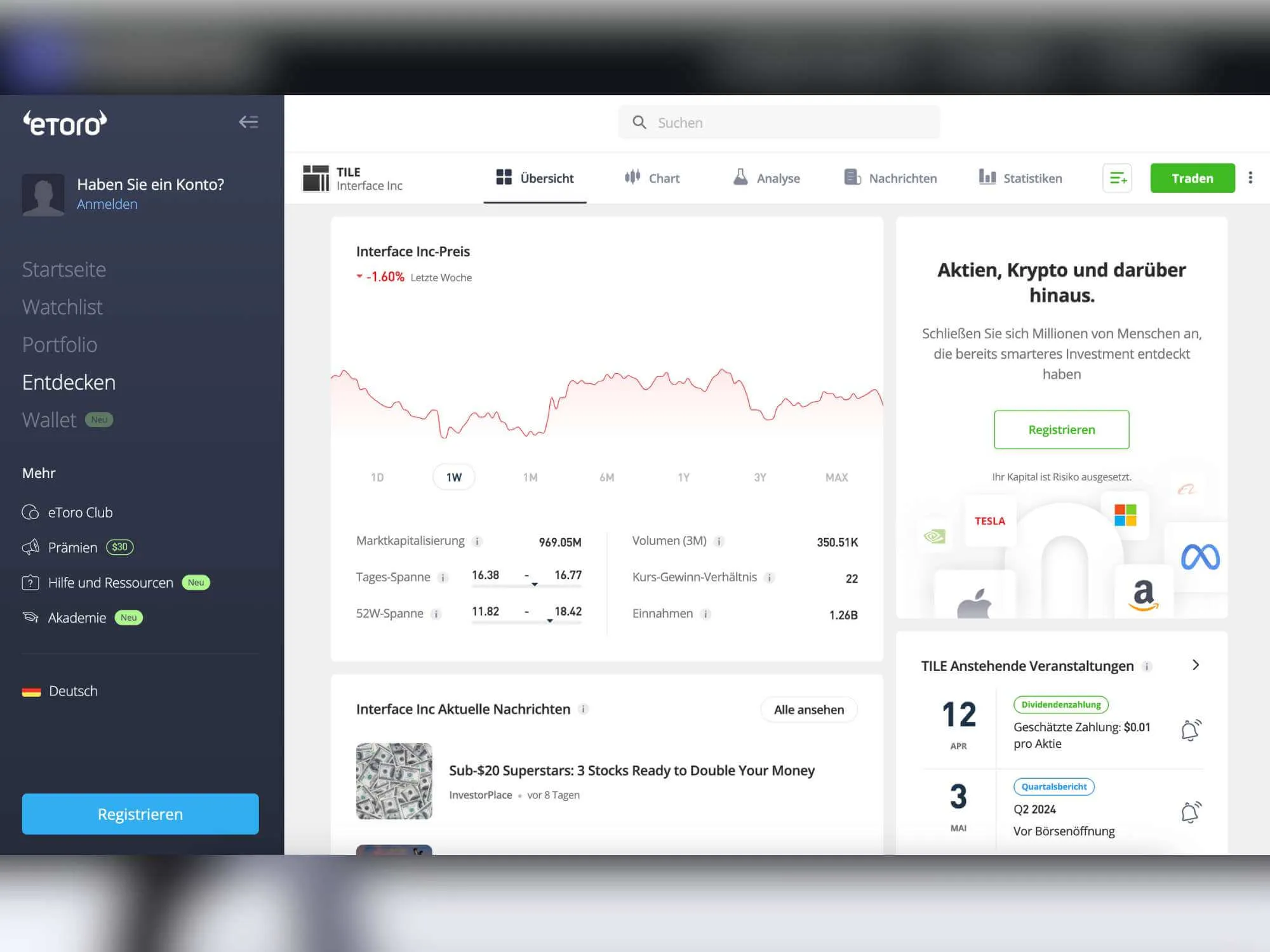
eToro is a multi-asset broker that sells real crypto through eToro USA LLC in most US states, and its US fee schedule lists a 1% commission per buy and per sell. In our view it suits investors who want crypto next to stocks and CopyTrader in one app better than it suits active traders. Outside the US, leveraged and short crypto positions are CFDs.

Crypto Depth vs Social Trading
eToro revolutionized retail trading with social features—copy other traders' moves, learn from their strategies, build a portfolio by following experienced investors. Binance built the most capable crypto exchange for users who know what they want. Different philosophies for different traders.
The Social Trading Difference
eToro's standout feature is copy trading. New traders can automatically mirror successful investors' portfolios. There's a social feed, demo accounts for practice, and educational materials throughout. Users call it beginner-friendly specifically because you don't need expertise—you can borrow others'.
Binance has no social trading. You're on your own making decisions. Educational resources exist, but you're expected to learn and execute yourself.
Crypto Ownership
eToro sells real crypto on non-leveraged buys; leveraged and short crypto positions are CFDs. Supported coins, Bitcoin included, can be moved to the eToro crypto wallet and on to your own wallet, and eToro offers staking for some coins. The platform scores "Yes" on real coins and wallet transfers.
Binance sells actual cryptocurrency. You own it, can transfer it, stake it, use it in DeFi—whatever you want.
Fee Comparison
eToro charges 1% per crypto trade, plus withdrawal and overnight fees that some users find excessive. The fee structure is complex, and spreads are wider than competitors. eToro scores 5/10 on fees.
Binance charges 0.10% with transparent pricing and scores 10/10 on fees. For active trading, eToro costs significantly more.
Asset Selection
eToro offers over 150 cryptocurrencies plus stocks, ETFs, commodities, forex, and indices. It's a multi-asset platform where crypto is one option.
Binance focuses on crypto with 400+ options plus derivatives and DeFi integration. Deeper in crypto, narrower overall.
Trust and Regulation
eToro scores 9/10 on security and trust, regulated by FCA, CySEC, and ASIC. Users generally view it as safe, though some worry about withdrawal delays.
Binance scores 8/10 with less regulatory clarity but proven track record among sophisticated traders.
Who Wins
eToro at 8.8 suits beginners who want to learn by copying, value regulation, and don't mind paying more for the social experience. You're trading lower fees for social features.
Binance at 9.4 suits users who want actual cryptocurrency, lowest fees, and don't need hand-holding. You're trading simplicity for capability.
About the author
At Exchange Flow, Ethan is recognized as the resident crypto expert. With 10+years of experience navigating the waters of global crypto exchanges, Ethan is a trusted voice in the ever-evolving world of digital currencies. He tests and scrutinizes exchanges so you don’t have to, offering reviews and articles that newbies and seasoned traders alike find invaluable. When he’s not coding, Ethan likes to travel and play retro games. He uses his crypto earnings to fund his trip around the globe.